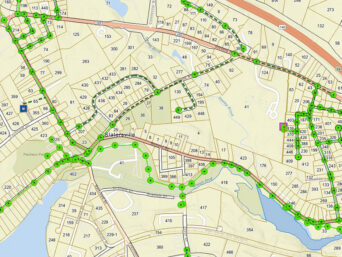
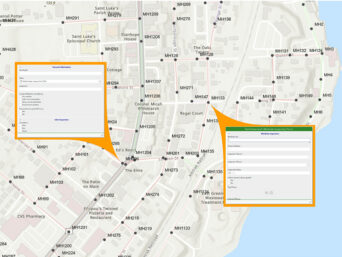
The most important thing you have are your assets. Managing these assets is critical to the success of your organization. Whether you are a Highway Department or a Botanic Garden or anything in between, understanding your assets, knowing when (and how) to properly maintain those assets, visualizing how many times you’ve repaired an asset, how much money and time you’ve spent on asset, and analyzing it’s probable degradation is all critical to managing your facility now, and budgeting for replacements into the future. A properly deployed and integrated asset management system (and related asset management plan) can assist in giving you a transparent and fair approach to budgeting and priorities, while tracking maintenance schedules and unforeseen repairs.
The keys to a successful implementation lie in the set-up, training, and post implementation support. Some companies will provide you with a great roll-out plan, but if you don’t set the project up properly at the beginning—what data will be used; how the GIS, financial, customer, IoT sensors, SCADA, etc. systems will be integrated—it will fail. Likewise, after the system is set up, if there isn’t employee buy-in and proper training before, during, and after going live, it will also fail. It is easy to deploy a system while it is new, but without proper coordination to continue its use, systems can fail within a year due to employees not being fully conditioned to use the system. Check-ins are a great way to keep the momentum up and the long-term viability of the system will likewise increase.
REPRESENTATIVE SERVICES: